Fault Codes Traced to Their Root Cause
Diesel Diagnostics in Great Falls for trucks showing check engine lights, power loss, or sensor faults after heavy-use cycles
You notice the check engine light, reduced power under load, or rough idling that wasn't present last week—symptoms that indicate a stored fault code but don't explain whether the problem is a failing sensor, worn injector, clogged filter, or something deeper in the fuel or air delivery system. Up In Smoke Diesel diagnoses diesel engine faults in Great Falls using advanced scanning tools that read both generic OBD-II codes and manufacturer-specific data streams from Cummins, Duramax, and Power Stroke platforms. Montana's heavy-use environment—agriculture, construction, and long-haul trucking—produces specific wear patterns and sensor drift that require more than a basic code reader to identify accurately.
The diagnostic process uses a full scanner suite capable of accessing proprietary ECU data, not just standardized fault codes. Fault tree analysis correlates multiple codes to identify root mechanical or electrical issues rather than treating each code in isolation. Live parameter monitoring tracks sensor readings under operating conditions—fuel rail pressure, turbo boost, exhaust gas temperature, injector balance—and component load testing verifies whether parts perform within specification or need replacement. Agricultural and construction trucks in Montana accumulate dust contamination and experience sensor drift from temperature cycling, which often triggers codes that point to secondary symptoms rather than the underlying failure.
Schedule a diagnostic session to identify which codes are stored and what mechanical or electrical conditions are causing them.
How Diagnostics Separate Symptoms From Failures
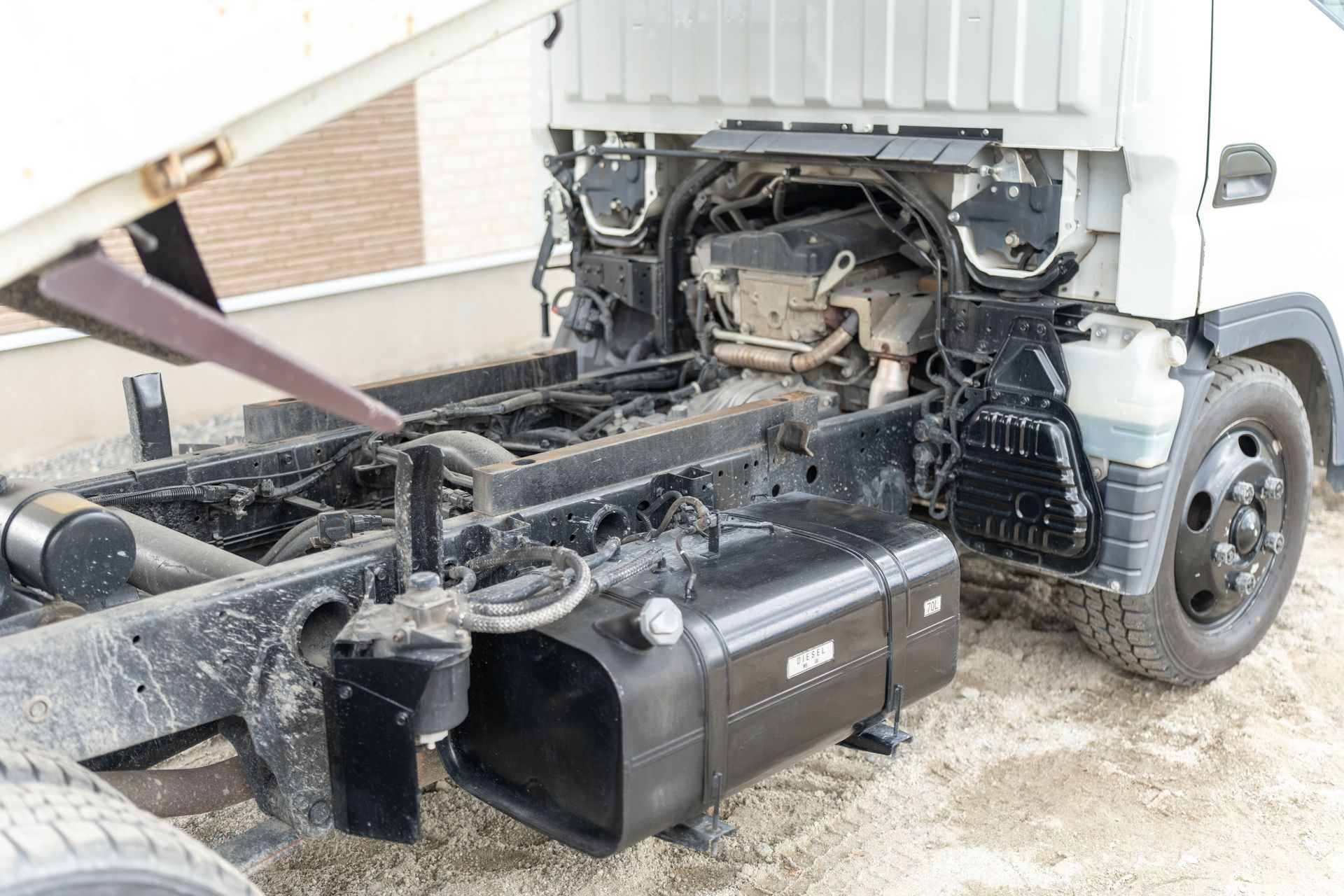
Diesel diagnostics distinguish between codes triggered by sensor inaccuracy and codes that reflect actual component failure. A low fuel rail pressure code might indicate a failing high-pressure pump, clogged fuel filter, restricted supply line, or injector return rate out of specification—each requires a different repair, and replacing parts without testing wastes time and money. Up In Smoke Diesel uses live parameter monitoring to watch fuel pressure, injector pulse width, and turbo response in real time, comparing observed values against factory specifications to pinpoint which component is failing.
After diagnostics, you'll know exactly which component needs repair or replacement, what caused the failure, and whether related systems show early signs of wear. The check engine light clears once the fault is resolved and the ECU confirms normal operation through several drive cycles. Trucks return to full power, and rough idling or hesitation under load disappears because the root issue—not just the code—has been corrected.
Diagnostics include a written report listing all active and pending codes, live data snapshots from the failure event, and repair recommendations prioritized by urgency. The service does not include parts replacement—that follows as a separate repair step once the diagnosis confirms what failed and why.
Common Diagnostic Questions From Truck Owners
Owners typically want to understand what diagnostic tools reveal, how long the process takes, and whether specific fault patterns are common in Montana operating conditions.
What can diesel diagnostics detect that a basic code reader can't?
Advanced diagnostics access manufacturer-specific data streams, including injector balance rates, turbo actuator position, DPF pressure differentials, and real-time fuel trim values—information a generic OBD-II scanner doesn't display.
Why do some codes reappear after being cleared?
Codes return when the underlying fault still exists—clearing a code without repairing the component that triggered it simply resets the warning until the ECU detects the problem again during the next drive cycle.
How does Montana's environment affect sensor performance?
Dust infiltration from agricultural and construction work contaminates mass airflow sensors and MAP sensors, while freeze-thaw cycles cause connector corrosion and wiring faults that produce intermittent codes difficult to replicate without live monitoring.
How long does a full diesel diagnostic take?
A comprehensive scan and live data review typically requires one to two hours, depending on how many systems show faults and whether component load testing is needed to confirm suspected failures.
Can diagnostics identify problems before they trigger a code?
Yes—live parameter monitoring often reveals injector imbalance, turbo lag, or fuel pressure drift before values fall outside the threshold that triggers a stored fault code, allowing repairs before a breakdown occurs.
Up In Smoke Diesel provides diagnostic reports that explain each fault code in plain terms, describe what component failed, and outline the repair steps needed to restore normal operation. Call the shop to bring your truck in for a full scan if warning lights are active or if you're experiencing performance issues without stored codes yet visible.