Fluid Service Built Around Montana Operating Conditions
Diesel Oil Changes in Great Falls for trucks operating in cold-start cycles, dusty field environments, and extended towing intervals
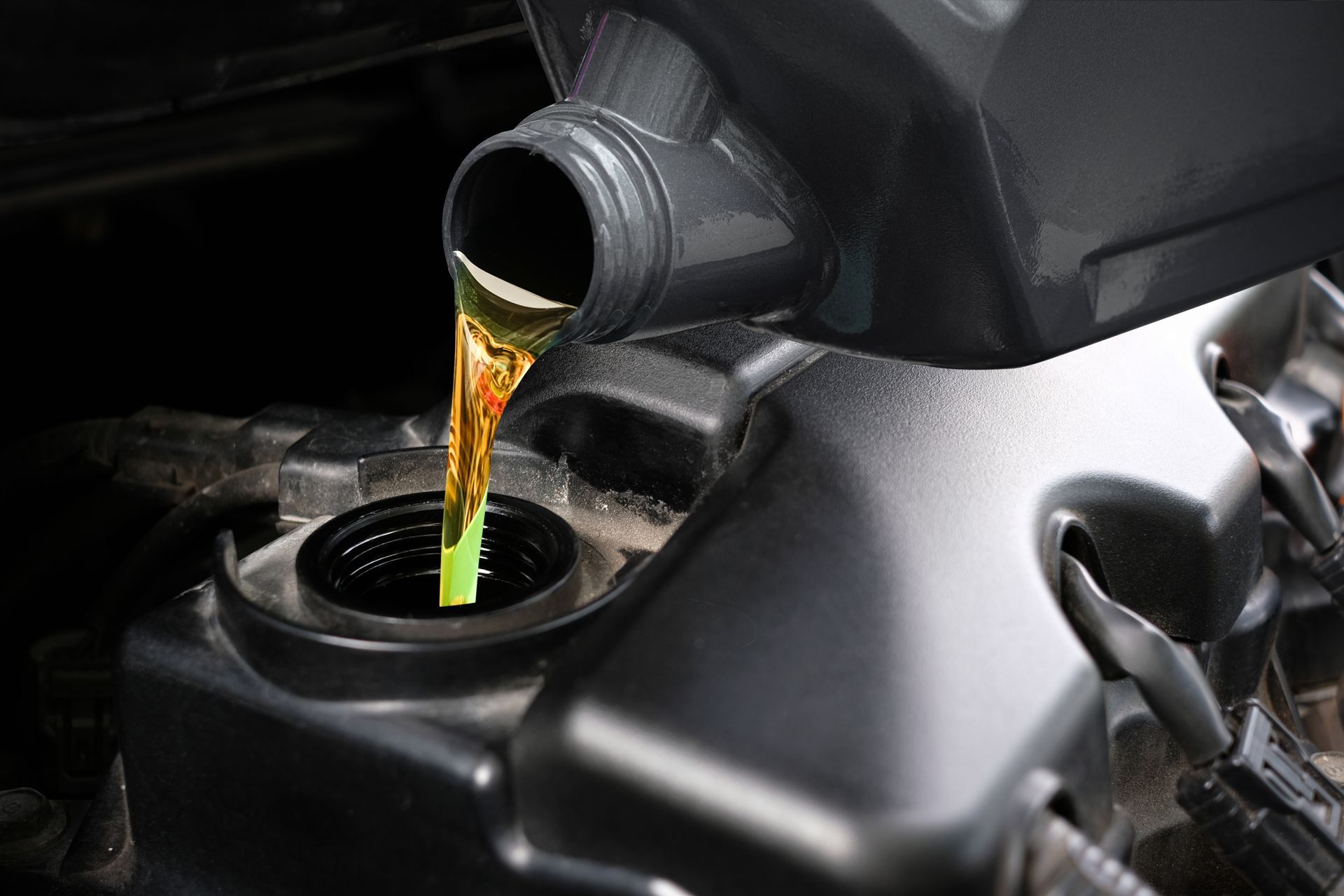
Extended oil change intervals work in controlled conditions, but Montana's cold climate, dust exposure from agricultural and construction work, and sustained towing loads accelerate oil breakdown and contamination faster than standard manufacturer schedules account for. Up In Smoke Diesel provides diesel oil changes in Great Falls using OEM-grade synthetic fluids selected for subzero cold-start protection and extended service life under load. The service includes fluid extraction, filter replacement, optional system flushing for high-mileage engines, and fluid sampling for wear analysis when requested—particularly useful for fleet operators tracking engine health across multiple units. Montana conditions favor synthetic oil because it maintains viscosity at low temperatures and resists thermal breakdown during prolonged highway operation or heavy towing.
The oil change process begins with fluid extraction and inspection of the drained oil for metal particulate or coolant contamination, which indicate internal wear or gasket failure. Filter replacement uses OEM-spec units sized for your engine's flow rate and filtration requirements, and system flushing on request removes sludge buildup in high-mileage engines. Fluid sampling captures a small oil volume for lab analysis that measures wear metals, fuel dilution, and additive depletion—data that reveal bearing wear, injector leakage, or oil breakdown before catastrophic failure occurs. Interval recommendations account for your duty cycle, whether you're running loaded miles daily or operating in stop-and-go field conditions with frequent cold starts.
Schedule an oil change to maintain engine protection and receive interval recommendations based on how you operate the truck across Great Falls routes and job sites.
Why Oil Selection and Interval Timing Matter in Montana
Synthetic oil maintains film strength at low temperatures, which matters during cold starts when metal surfaces are unprotected until oil pressure builds and circulation begins. Conventional oil thickens in subzero weather, delaying full lubrication and increasing wear during the critical first minutes of operation. Dust and field work increase change frequency because airborne particulate enters the crankcase through breather systems and accelerates filter clogging, reducing oil flow and filtration efficiency before the standard interval expires.
After an oil change, the engine runs quieter because fresh oil reduces friction between moving parts, and oil pressure stabilizes within the normal range immediately after startup. Cold starts become smoother because synthetic oil flows freely even at low temperatures, and engine protection improves under load because thermal stability prevents viscosity breakdown during sustained towing or highway operation. You'll also maintain warranty compliance, as service records document fluid specifications and interval adherence required by manufacturer coverage terms.
The service includes disposal of used oil and filters, documentation of fluid type and quantity for maintenance logs, and recommendations for the next service interval based on operating conditions. Oil changes do not address mechanical wear issues like bearing noise, oil consumption, or pressure loss—those require diagnostics and repair to identify internal component failure.
What Truck Owners Ask About Oil Changes
Oil change questions often focus on fluid selection, service intervals, and how operating conditions affect when oil loses protective properties.
Why use synthetic oil instead of conventional?
Synthetic oil resists thermal breakdown under high temperatures, flows freely during cold starts in Montana winters, and maintains viscosity across longer intervals—critical for trucks that tow heavy loads or operate in dusty agricultural and construction environments where oil degrades faster.
How often should diesel oil be changed in Great Falls?
Interval timing depends on duty cycle—highway miles with minimal idling can extend intervals toward manufacturer recommendations, while stop-and-go operation, frequent cold starts, and dusty conditions require shorter intervals to prevent sludge buildup and filter saturation.
What does fluid sampling reveal?
Fluid analysis measures wear metals like iron and copper, detects fuel or coolant contamination, and tracks additive depletion—data that identify bearing wear, injector leakage, or head gasket failure before symptoms become obvious during operation.
Can I switch to synthetic if I've been using conventional oil?
Yes—synthetic oil is compatible with engines previously serviced with conventional oil, and switching provides better cold-start protection and longer service life, though high-mileage engines may require a flush to remove sludge deposits before switching.
How much does a diesel oil change cost?
Cost depends on oil capacity, filter type, and whether you're using synthetic or conventional fluid—Up In Smoke Diesel provides pricing based on your truck's specifications and the service level you need for your operating conditions.
Up In Smoke Diesel keeps service records that track fluid type, filter specifications, and interval recommendations for each truck, ensuring warranty compliance and simplifying fleet maintenance scheduling. Contact the shop to arrange your next oil change and discuss whether fluid sampling or system flushing would benefit your truck's operating profile.